
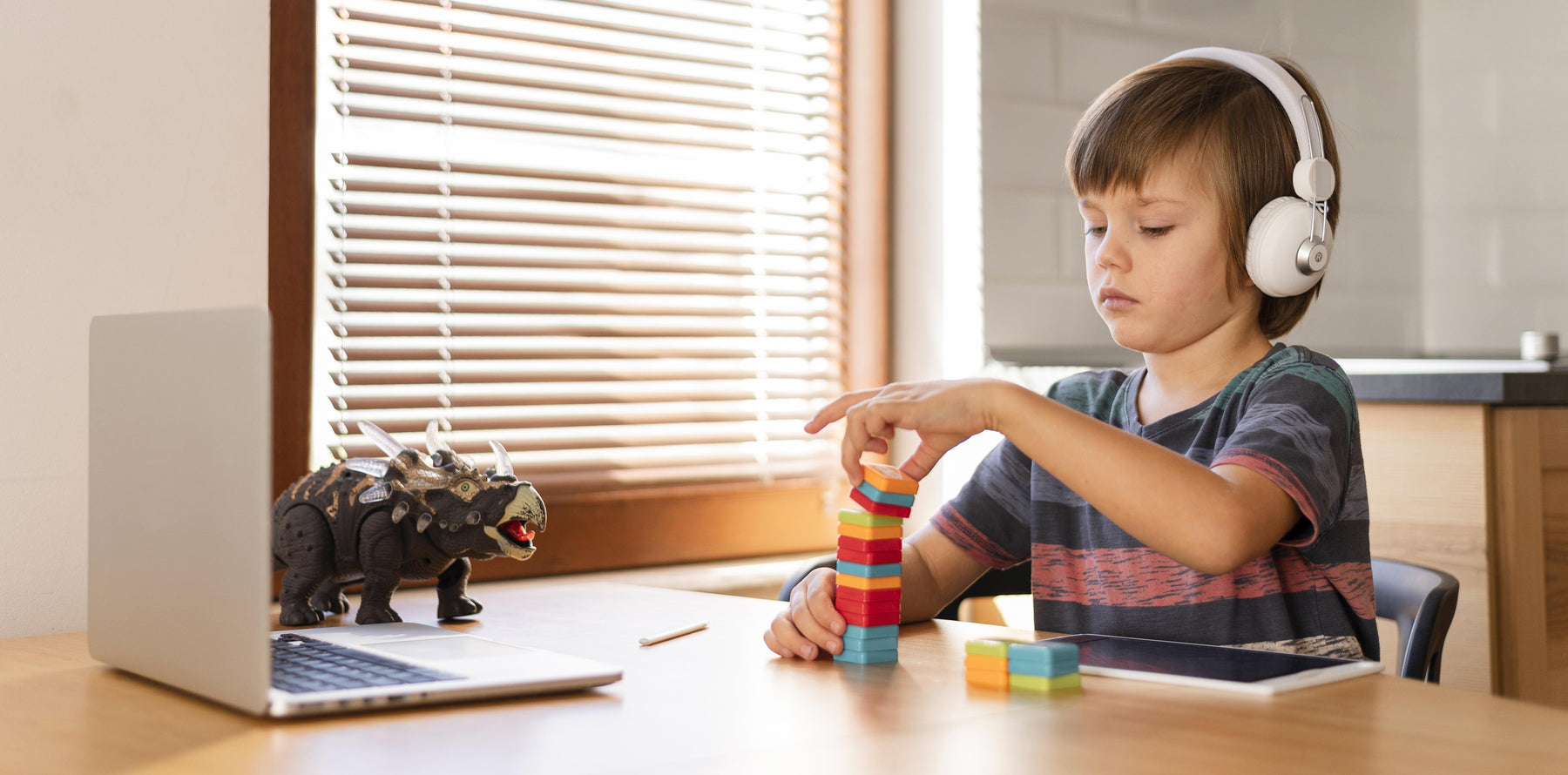
Creating the Perfect Play Environment for Your Child
When it comes to creating the perfect play environment for your child, the goal is simple: to foster creativity, learning, and fun. A well-designed play space can stimulate your child’s imagination, encourage physical activity, and help them develop important skills. The right mix of toys, furniture, and outdoor elements can make a big difference. Here's how to create a play environment that’s both safe and stimulating.
Choose the Right Toys
The foundation of any great play space starts with the right toys. Kids need a variety of playthings to help them develop different skills. Musical instruments, like a digital piano, can be a great addition to your child’s environment. Music fosters creativity, improves coordination, and enhances cognitive skills. A digital piano, in particular, is an excellent option for kids because it offers a compact design, multiple sound options, and the ability to adjust volume—perfect for any home setting.
Besides musical instruments, consider adding a big teddy bear to the play area. Teddy bears provide comfort and promote imaginative play. They help children express emotions and even role-play scenarios. A large teddy bear can be a companion for your child during their adventures, whether they're acting out stories or simply cuddling up during quiet moments.
Create a Comfortable, Safe Space
Safety is key when designing a play area. Ensure that the space is free from sharp edges and dangerous objects. Soft flooring is a must, especially for younger children who may be crawling or tumbling around. A padded rug or foam mat can help prevent injuries during rough play.
Make sure the area is well-ventilated, too. Fresh air and natural light can make a big difference in the atmosphere. If you have an outdoor space, consider adding a patio umbrella for shade. This will create a comfortable outdoor area for play, keeping your child safe from too much sun while they enjoy their time outside.
Incorporate Learning Elements
A perfect play environment isn’t just about fun—it’s also about learning. Encourage your child’s development by including educational toys and activities. You can add books, puzzles, or building blocks to help them develop critical thinking and problem-solving skills. A small art station, with crayons and paper, can also be a great way for your child to express their creativity.
Consider a digital piano as an addition to the play space. Music helps children develop their sense of rhythm, pattern recognition, and memory. It’s a fun way to encourage your child to explore different sounds and improve their focus. Whether they’re playing simple tunes or just experimenting with keys, a digital piano adds a unique learning element to their play environment.
Maximize Outdoor Play
Outdoor play is just as important as indoor activities. Fresh air and physical activity help children develop motor skills and build strength. If you have a backyard or patio, try to make the most of the space. Set up an area where your child can run, jump, and explore. A patio umbrella can provide shade while your child enjoys outdoor playtime, keeping them cool and safe.
Consider adding a small playhouse, sandbox, or outdoor toys like balls or scooters. These items help kids improve their coordination, balance, and social skills. You can even create a small garden or nature area to encourage curiosity about the environment. Let your child dig, plant, and explore the world around them.
Keep It Flexible
The best play environments are flexible and adaptable. As your child grows, their interests and needs will change. What they love at age 3 may not be the same at age 6. Make sure to rotate toys and activities to keep things fresh and exciting. This will also help your child explore new skills and hobbies.
Don’t forget to change up the environment occasionally. Rearranging the furniture or adding new elements can make the space feel new without a full renovation. This helps keep your child engaged and excited about their playtime.
Final Words
Creating the perfect play environment for your child doesn’t require a lot of fancy or expensive items. It’s about providing the right mix of toys, furniture, and outdoor spaces that inspire creativity, learning, and fun. A digital piano can introduce music and learning into their playtime, while a big teddy bear offers comfort and imaginative play. For outdoor spaces, a patio umbrella provides much-needed shade, ensuring your child can safely enjoy their time outside.
By focusing on safety, comfort, and variety, you can create an engaging environment where your child can grow, explore, and learn through play.